
P42: Leadership is more than Feel-Good Philosophy- How to build a sustainable Culture of Leadership.

Is your leadership culture just ink on paper? This episode dives deep into building a sustainable culture of leadership, moving beyond feel-good philosophy to tangible action. Discover how to measure leadership efficacy, identify pain points, and implement a practical framework for success. Ready to lead in the 21st century? Watch now!
Mark Engelhardt
Founder of PPPM Academy
Guest
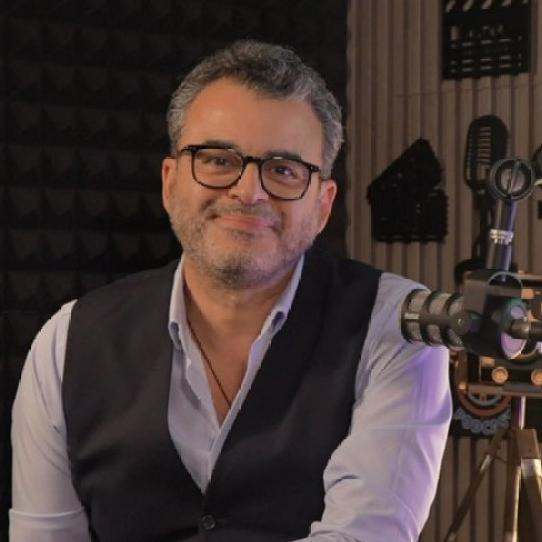
Hayssam Al-Amine is a renowned leadership development expert and the Founder and CEO of RPM Consultancy. With a career spanning hospitality, logistics, and automotive industries, Hayssam has dedicated his life to the philosophy of 'Changing the World – One Person at a Time.' Known for his 'Ripple Effect' approach, he has become a trusted advisor to multinational giants like Amazon, helping organizations transform their cultures by developing self-led teams. A passionate advocate for authentic leadership and innovation, Hayssam brings a wealth of experience in navigating crises and scaling human potential in the modern business landscape.
Summary
P42: Leadership is more than Feel-Good Philosophy- How to build a sustainable Culture of Leadership
In this episode, we delve into the crucial topic of leadership culture with returning guest Hisam, a leadership expert who coaches and develops leaders and organizations worldwide. Join us as we explore how to move beyond philosophical discussions and build a tangible, measurable, and sustainable leadership culture, particularly relevant for project management leaders in Austria and Germany.
The Problem: Leadership as Ink on Paper
Many companies have impressive vision, mission, and values statements. However, these often remain just words. As Hisam points out, very few organizations truly infuse these values into everything they do, from emails to decision-making. This disconnect between words and actions quickly erodes credibility with both leaders and the organization.
Why is Leadership Culture Important?
Hayssam emphasizes that executives need to ask themselves: Are we ready for the 21st century? What kind of leadership culture do we have? Is there a way of measuring it? The goal is to move beyond abstract concepts and create a tangible framework that companies can use to improve their leadership effectiveness.
Pain Points and Challenges in Leadership Development
Hisam highlights some key challenges he encounters when working with regional players, including those in the banking industry and government:
- How to develop leaders effectively.
- How to measure the efficacy of leadership initiatives.
- Which leadership model to use.
While numerous leadership models and psychometric assessments exist, organizations need tangible results. It's about going back to basics and demonstrating leadership through action. Hisam's team constantly observes his behavior, communication, and decision-making to gauge his leadership effectiveness.
Building a Comprehensive Leadership Framework
Hayssam draws a parallel to the Project Management Body of Knowledge (PMBOK) guide, which provides a visual framework for project management. He asks Hisam if it's possible to create a similar comprehensive framework for leadership, encompassing capabilities, principles, and actions at strategic, tactical, and operational levels.
Hisam affirms the possibility, emphasizing the need for practicality and tangible indicators. He notes that most executives believe they are doing the right thing, highlighting the importance of a framework that provides clear feedback and guidance.
The Eternal Student Mindset
A key takeaway is that those who are already high-performing are often the most open to coaching. They understand that sustained success requires continuous improvement. This contrasts with those who believe they have reached the pinnacle of their success and resist further development, leading to stagnation.
The Lonely Top and the Thirst for Truth
Hisam points out that leadership can be lonely, especially at the top. Leaders often hear only "yes" from their teams and crave honest feedback. However, they must create an environment where people feel safe to challenge them without fear of reprisal. Without this, the organization suffers.
The Responsibility of the Team
The discussion shifts to the often-overlooked responsibility of the team towards leadership. It's not solely the leader's burden to create a positive environment. Team members must also contribute to supporting their leaders and the organization's goals. This fosters a symbiotic relationship where both leaders and team members thrive.
Hisam's Approach: The Seven Stages of Team Performance Model
Hisam shares his approach to assessing and improving leadership culture, starting with the Japanese proverb: \"The fish rots from the head first.\" He begins by asking the CEO what they are already doing to address the leadership challenges. Then, he goes to the front line to observe the realities on the ground. He identifies the gap between the leadership's vision and the front line's experience.
Key steps in Hisam's approach:
- Start at the Top: Assess the leadership's understanding and commitment to the organization's vision and values.
- Engage the Front Line: Observe and gather feedback from employees who interact directly with clients and customers.
- Bridge the Gap: Develop a master plan that aligns the top-down vision with the bottom-up realities, involving key stakeholders such as HR, operations, and the executive committee.
The Seven Stages of the Team Performance Model
This is the dashboard that leaders can leverage to understand what needs to be done at every single level of the organization. The model is applicable to every single team scenario and it starts with:
- The Why: Sense of membership, purpose, and personal fit.
- Trust Building: Continuously building trust and credibility at every single level of the organization.
- Goals and Roles: Ensuring everyone knows their goals and roles in the organization.
The Importance of Actionable Education
Training and education must be actionable. Instead of just ticking a box, organizations should focus on how employees can apply their new knowledge and skills in their daily work. This actionable education forms the foundation for a strong leadership culture.
Conclusion: A Continuous Journey
Building a sustainable leadership culture is not a one-time fix but a continuous journey that requires commitment from both leaders and team members. By implementing a structured framework, focusing on actionable education, and fostering open communication, organizations can create a culture of leadership that drives long-term success, particularly in competitive markets like Austria and Germany.