
P42.09 STEP 2 Trust Building

Trust is the bedrock of successful project leadership. Feeling a disconnect with your team? This episode dives deep into trust-building strategies. Learn how to identify trust signals, recover from missteps, and cultivate a culture of credibility. Don't miss out! Watch now and elevate your leadership.
Mark Engelhardt
Founder of PPPM Academy
Guest
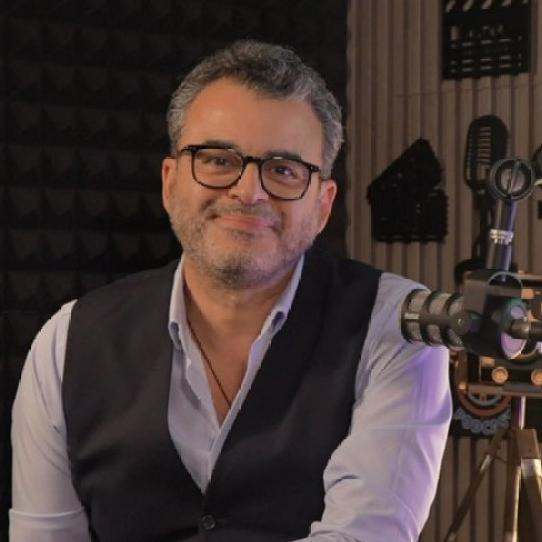
Hayssam Al-Amine is a renowned leadership development expert and the Founder and CEO of RPM Consultancy. With a career spanning hospitality, logistics, and automotive industries, Hayssam has dedicated his life to the philosophy of 'Changing the World – One Person at a Time.' Known for his 'Ripple Effect' approach, he has become a trusted advisor to multinational giants like Amazon, helping organizations transform their cultures by developing self-led teams. A passionate advocate for authentic leadership and innovation, Hayssam brings a wealth of experience in navigating crises and scaling human potential in the modern business landscape.
Summary
P42.09: STEP 2 - Building Unbreakable Trust in Project Leadership
In this episode, we delve into a crucial element for project management leaders: trust building. Trust isn't a one-time event; it's a continuous process that underpins your personal brand, leadership credibility, and the overall success of your organization.
The Foundation of Trust and Credibility
Leaders are constantly building trust. This involves understanding the core elements of trust and credibility and how to cultivate an environment where trust thrives. This environment directly impacts your brand and leadership credibility, permeating throughout the entire organization.
The Emotional Bank Account: Investing in Relationships
Drawing from Stephen Covey's model, every relationship is like an emotional bank account. Consistent deposits build trust equity, allowing for occasional withdrawals. Companies may have some existing trust equity, but it's often limited. Encouraging initial trust and reciprocity is key, especially when initiating new projects or strategies. Imagine joining a new organization and being told to simply "trust me." Genuine trust must be earned and reciprocated.
Upfront Trust vs. Earned Trust
Some individuals prefer to give trust upfront, assessing trustworthiness along the way. Others are more cautious, especially in environments where trust has been broken. Rebuilding trust is crucial when past experiences have left employees feeling disappointed. Remember that even with upfront trust, past experiences can impact the starting point.
Identifying Signals of Distrust
Leaders must be attuned to signals of distrust within their teams. People rarely express distrust directly. Instead, 99% of feedback is nonverbal. Being situationally aware and reading the room is essential. Look for signs of caution, facades, and a false sense of forthrightness. Ignoring these signals can create a toxic environment and damage your personal brand. Ask yourself, “What behaviors indicate a lack of trust in me?”
Advocates, Not Influencers: Building a Respected Persona
Focus on becoming a respected advocate, rather than an aggressive "snake oil salesman." Building a respected persona is a mid-term goal that requires honesty, authenticity, and a commitment to providing value. While aggressive tactics might yield quicker initial impact, genuine respect and credibility are built over time.
Recovering Lost Trust: A Competency-Based Approach
Everyone makes mistakes and loses credibility at some point. The key is to recover effectively. The fastest way to regain trust is to:
- Acknowledge the mistake: Admit that you "effed up."
- Right the wrong: Take concrete actions to correct the issue, demonstrating competence and responsibility.
Focus on addressing the issue from a competency standpoint, rather than relying solely on apologies. Show how you will rectify the situation and prevent future occurrences.
Moving Forward: Overcoming Negative Impressions
People have limited attention spans. Over time, new, positive impressions can outweigh past negative ones. Acknowledge past mistakes, but focus on moving forward. Maintain forward momentum. Just like riding a bicycle, continuous effort keeps you upright. It's when you stop pedaling that you fall. Focus on the future and demonstrate consistent progress.
The Ever-Present Nature of Trust Building
Trust building is not a one-time task; it's an ongoing process that must be integrated into all aspects of leadership. This second stage is ever-present across all stages of project management.
Conclusion
Building trust is a cornerstone of effective project leadership. By understanding the dynamics of trust, identifying signals of distrust, and focusing on both competence and character, leaders can cultivate environments where teams thrive and projects succeed. Remember, trust is an investment that pays dividends in the long run.